

With the introduction of these technological innovations, the control system becomes more compact, efficient and reliable, and cost is lower. Because of the high frequency technology used in the battery charger. Therefore, the battery can be charged to the maximum possible current value in the shortest time. In particular, the pitstop method allows the forklift to be charged during break time, which means the battery can last longer. On the contrary, smaller batteries can be selected to carry out the matching material handling.
When the electronic equipment on the control system receives abnormal data, it will send out a warning message. The electronic systems on forklifts with diesel engines mainly improve productivity, making forklifts safer and more comfortable to operate. Examples of such systems include “reduce curve speed” developed by JUNGHEINRICH. A safety function that improves the rollover stability of the machine by reducing the speed according to the steering angle. Or Toyota’s active safety system (SAS). In SAS system, the data from sensors is controlled electronically. For example, the height of the load, the speed of the machine and the angle of rotation. Once the value of any parameter or its combination reaches the critical value, the system will alarm.
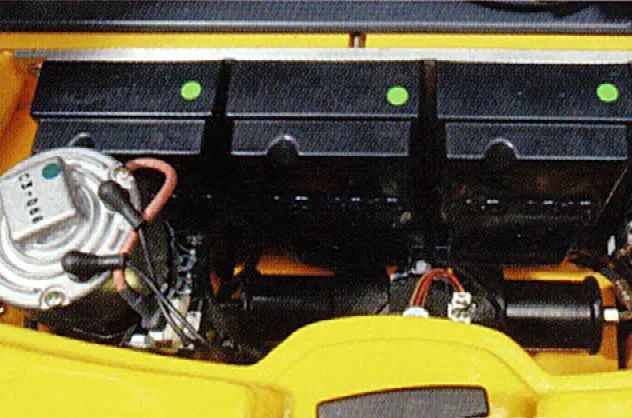
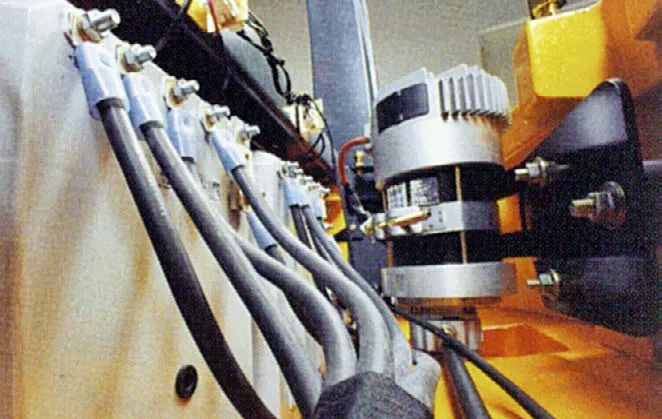
Today’s cable connections also have a fundamentally different look. Due to the new development of electronic field, serial communication scheme has been used. In the late twentieth Century, this led to the creation of the Can-bus data bus, which replaced the usual multi-core cable in the bus. There are only two wires for communication and transmission of digital information and two wires for power supply. The data is received by the electronic system of the forklift and transmitted through the communication channel. Each packet has its own, invariant address code. The address code is identified by an “intelligent” external station, so that the information reaches the required loader system or unit, where the lights are turned on, the engine speed is increased, etc.
These data buses have become comprehensive industry standards. A typical example of using electronic equipment on ICE forklift is the engine control system based on CAN bus system and electronic control. This is standard for heavy-duty forklifts.

The main parts of electric forklift — Forklift chassis
Archimedes said: “if you give me a fulcrum, I will pry the earth.” Indeed, fulcrum is the basis of any association, which applies equally to forklifts. Its load capacity and maximum allowable load directly depend on its front and side stability. If the chassis and superstructure of forklift are designed, the wheels of forklift truck always contact with the road surface.
The necessary dynamic stability can be achieved. This requires the largest wheelbase and the lowest center of gravity. Therefore, compared with previous models, some modern forklift models have the same chassis. Electric forklift, in which the battery is directly located on the chassis in the middle of the wheelbase. Their center of gravity is very low, so they have high stability. Statistics from the late 1990s show that of all deaths associated with forklift operations. About 25.3% of the deaths were due to overturning. while only 14.4% of the deaths were caused by the drop of goods. This is why the European Union standard for forklift trucks (EN 1726) imposes very strict requirements on manufacturers. To reduce the risk of side and frontal overturning during operation. Forklifts must pass standard stability tests and must not be permanently deformed.
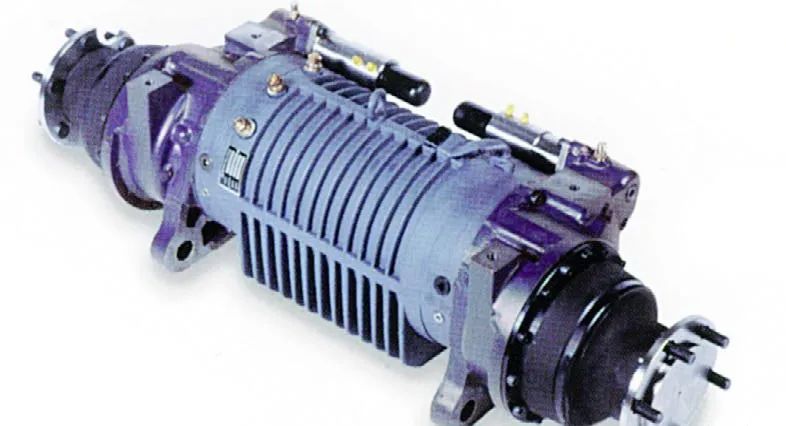
JUNGHEINRICH diesel forklift EFG 400 Drive axle
The highest safety requirement is for heavy forklifts working in open areas. For them, the rigid welded one-piece chassis is an essential standard. In this case, the engine, transmission and differential should be installed as low as possible. SAS (active stabilization system) active stabilization system equipped with Toyota seventh series forklift truck. Significant progress has been made in ensuring the stability of forklifts. SAS will work actively when the forklift is facing lateral, forward or backward tilt.
The SAS system uses signals from sensors to analyze whether the forklift is in a potentially dangerous state and activate safety functions if necessary. The principle of the touch sensor used to measure the deviation of the side of the car is the same as that of the satellite navigation system
The main parts of electric forklift — Rechargeable battery
In process of improving electric forklifts, forklift manufacturers began to equip them with heavier batteries in order to increase capacity. Therefore, with the advent of each new model, the performance of the machine is constantly improving. The battery capacity of the previous generations of forklifts is 200 ah. Today, forklifts equipped with rechargeable batteries ranging from 600 to 750 ah are common. This increases the carrying capacity and long working hours of the forklift without charging. So far, there is no special breakthrough on the working principle of traditional lead-acid battery. But the battery itself is bigger and more powerful. It can be noted that progress has been made in reducing charging time and organizing liquid circulation in batteries. Electronic devices are used for battery preventive monitoring, allowing monitoring of battery temperature, battery level, battery failure and battery charge.
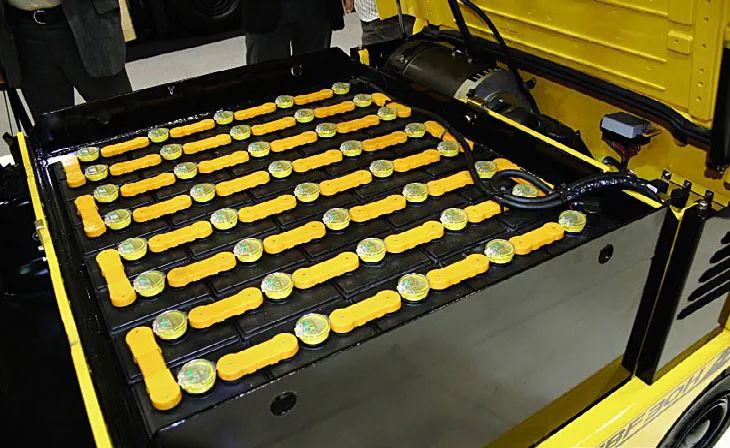

Acid cycling batteries have been on the market since the 1990s. Forklifts can now run longer due to advances in battery repair technology. So now the battery can work for eight hours. As early as the 1980s, STILL created a system that would return the energy released during forklift braking to the battery. Therefore, it can save a lot of battery power..
In the early 1970s, Clark, the world’s first forklift manufacturer, realized the choice between two voltage values for electric forklifts. If the operator selects high-power mode or energy-saving mode, it can move as needed.
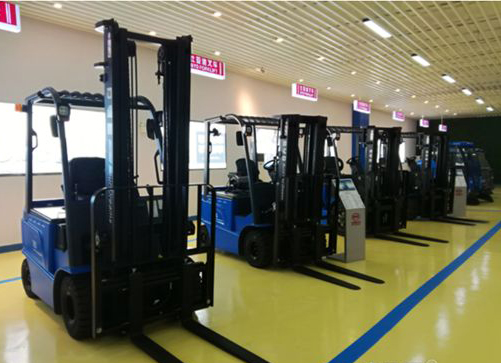
Since 2000, the forklift industry mainly consists of lithium batteries, hydrogen fuel cells and other new energy power batteries. With the development of society and the progress of technology, forklifts will develop towards new energy in the future.
-500x383.webp)


Leave A Comment